
A place of opportunity and hope
We help refugee families regain dignity, confidence, food access and community through animals and agriculture.
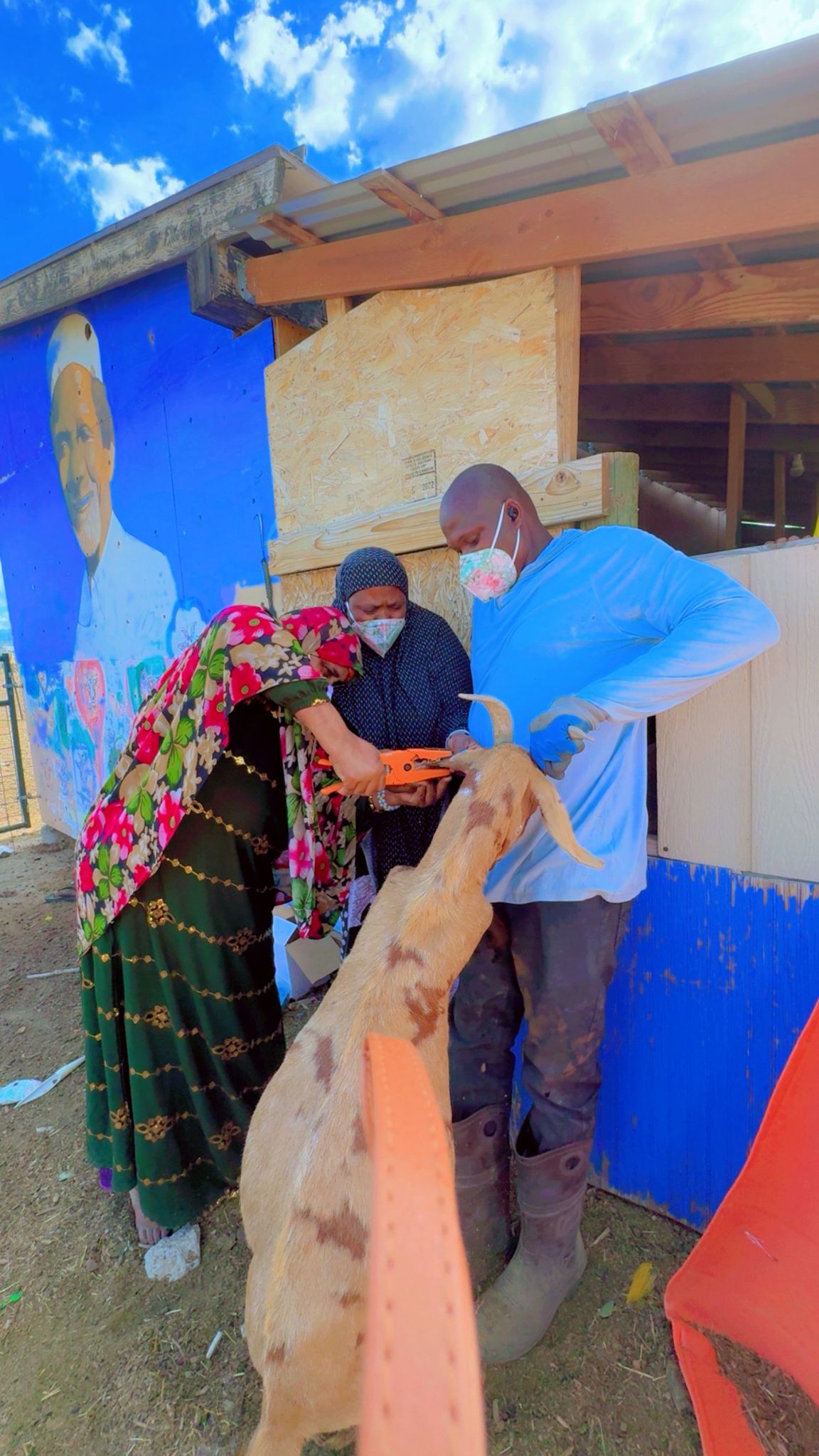
From a small goat project to a refugee-run farm
Utah Refugee Goats began in 2013 as the East African Goat Project, with support from the International Rescue Committee. It gave refugees a place to reconnect with farming, animals, food and community.
Rio Tinto donated 87 acres of land, which became a place for families to gather, learn, grow food and care for animals. In 2021 the farm became refugee-run, giving leadership and decision-making to the community it serves.

Our refugee-led timeline
- 2013
The East African Goat Project
Started with support from the International Rescue Committee (IRC).
- 87 ac
Land from Rio Tinto
Rio Tinto donated 87 acres — a place to gather, learn, grow food and care for animals.
- 2021
Refugee-run
Leadership and decision-making moved to the refugee community.
- 2024
Training expands
Utah State University Extension partnered with the farm on goat care, poultry, grazing, fencing and sustainable agriculture.
- Today
Rebuilding
After avian flu losses and stolen goats, we are rebuilding with volunteers, donors, sponsors and partners.
Where we are going
A future where refugee families have farming opportunities, culturally important food, training, leadership and community support.
Food access
Culturally important food raised by and for the community.
Training & skills
Animal husbandry, grazing, fencing and farm business.
Community healing
A place to belong, gather and lead.
Hard seasons, and a community that shows up
Avian flu caused devastating losses to our poultry, and goats were stolen from the farm — a deep loss for the refugee families who cared for them. With help from volunteers, donors, sponsors and partners, we are rebuilding.
With support from
Be part of the story
Volunteer, visit, sponsor or book a service — every bit helps.